Cookie Care Instructions: A Comprehensive Guide (Updated 04/22/2026)
Maintaining cookie quality requires understanding storage nuances; from crisp delights to soft-baked treats, proper care ensures a delightful experience every single time.
Understanding Cookie Freshness
Cookie freshness isn’t simply about time elapsed since baking; it’s a complex interplay of moisture content, fat composition, and ingredient interactions. A freshly baked cookie boasts optimal texture and flavor, but these qualities degrade as exposure to air occurs.
Specifically, cookies readily absorb moisture from the environment, leading to softening or, conversely, can lose moisture becoming stale and brittle. The type of cookie significantly impacts its freshness timeline. Delicate, frosted cookies are more susceptible to changes than robust, simple varieties.
Understanding these factors is crucial for implementing effective storage strategies, preserving that just-baked sensation for as long as possible, and enjoying consistently delicious treats. Proper handling from cooling to storage is key.
The Importance of Proper Storage
Proper cookie storage isn’t merely about preventing staleness; it’s about safeguarding flavor, texture, and overall quality. Exposure to air, light, moisture, and even odors can dramatically alter a cookie’s characteristics. Airtight containers are paramount, creating a barrier against these elements.
Effective storage minimizes moisture migration, preventing softening or hardening. It also shields cookies from absorbing unwanted flavors from surrounding foods. Furthermore, correct storage extends shelf life, reducing waste and ensuring you can enjoy your baked goods at their peak.
Investing in quality storage solutions and adopting mindful practices is a small effort yielding significant returns in cookie enjoyment and preservation.
Types of Cookies and Their Specific Needs
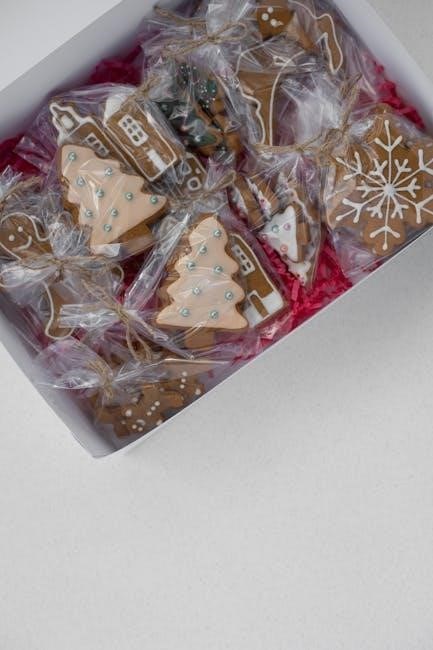
Not all cookies are created equal, and therefore, don’t require the same storage approach; Soft-baked cookies, prized for their tenderness, demand moisture retention, while crisp cookies need protection from humidity to avoid softening. Chewy cookies strike a balance, requiring a method that preserves both softness and slight resistance.
Understanding these textural differences is crucial. A one-size-fits-all storage solution simply won’t suffice. Factors like frosting or chocolate coatings also influence storage needs, adding layers of complexity.
Tailoring your storage method to the specific cookie type ensures optimal freshness and maintains the intended delightful experience.
Soft-Baked Cookies: Maintaining Moisture
Soft-baked cookies are particularly vulnerable to drying out, making airtight storage paramount. Utilize containers with a tight seal, or wrap cookies individually in plastic wrap before placing them in a larger container. Adding a slice of bread to the container can help maintain humidity, but replace it daily to prevent mold.
Room temperature is generally suitable for short-term storage, but avoid direct sunlight or heat sources. For extended freshness, consider freezing. Properly stored, soft-baked cookies can retain their delightful texture for weeks, offering a consistently enjoyable treat.
Crisp Cookies: Preventing Softening
Maintaining the satisfying snap of crisp cookies requires a different approach than soft-baked varieties. Humidity is the enemy! Store crisp cookies in an airtight container, but consider adding a few grains of uncooked rice to absorb any excess moisture. This simple trick can significantly extend their crispness.
Avoid storing them with cookies of differing textures, as moisture can transfer. Room temperature is acceptable for a few days, but for longer storage, freezing is recommended. Ensure they are completely cooled before sealing for optimal texture preservation.
Chewy Cookies: The Balance of Texture

Chewy cookies represent a delightful middle ground, demanding storage that preserves their soft, yet slightly resistant texture. Airtight containers are crucial, preventing both drying out and excessive softening. A single layer of parchment paper between cookies can help maintain individual chewiness.
Room temperature storage works well for a short period, but monitor closely. If they begin to harden, a slice of bread added to the container can restore moisture. For extended storage, freezing is ideal, ensuring that signature chew remains intact upon thawing.
Short-Term Cookie Storage (1-3 Days)
For enjoying cookies within a few days, prioritizing airtightness is paramount. Exposure to air is the primary culprit behind staleness, so selecting the right container is key. Glass or plastic containers with tight-fitting lids are excellent choices, effectively sealing in freshness.

Room temperature is suitable, but avoid direct sunlight or heat sources. Consider layering cookies with parchment or wax paper to prevent sticking. Regularly check for any changes in texture; even with precautions, short-term storage requires vigilance to maintain optimal quality and flavor.
Airtight Containers: The First Line of Defense
Employing airtight containers is the most crucial step in preserving cookie freshness for short-term storage. These containers minimize air exposure, the main driver of staleness, and help retain moisture levels essential for optimal texture. Glass containers with rubber seals or high-quality plastic containers with secure lids are ideal choices.
Ensure the cookies aren’t crammed, allowing for minimal air circulation even within the container. Properly sealed, these containers act as a barrier against humidity and external odors, safeguarding the cookies’ delightful flavor profile. Investing in quality airtight storage is a simple yet effective practice.
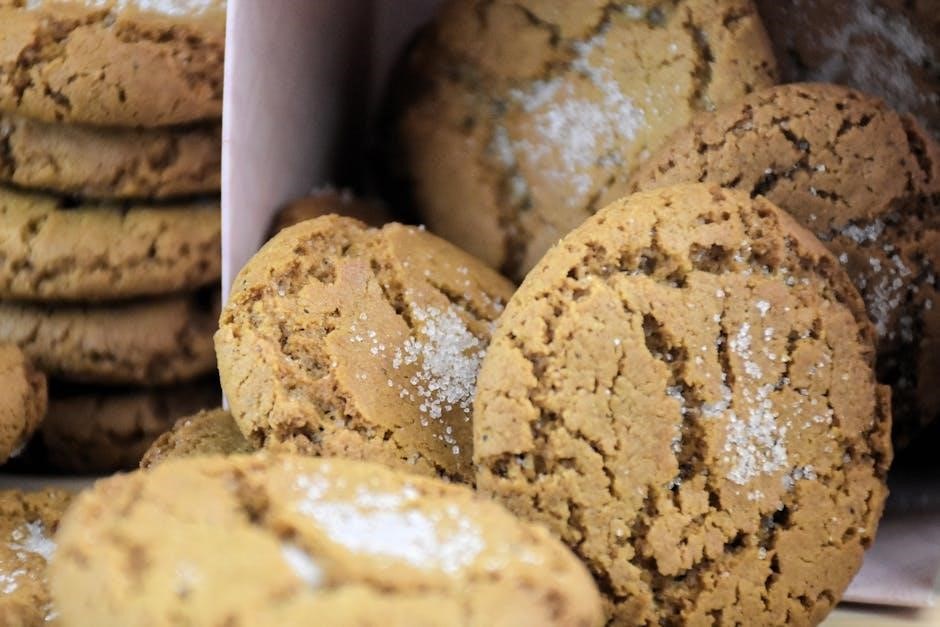
Room Temperature Considerations
When storing cookies at room temperature, maintaining a cool, dry environment is paramount. Avoid direct sunlight and proximity to heat sources like ovens or stoves, as these accelerate staleness. Ideal room temperature for cookie storage falls between 68-72°F (20-22°C).
Humidity also plays a significant role; higher humidity levels can lead to softening, particularly for crisp cookies. A well-ventilated kitchen is preferable. If humidity is a concern, consider adding a food-safe desiccant packet to the airtight container for extra protection. Consistent temperature and low humidity are key to preserving cookie quality.
Long-Term Cookie Storage (Beyond 3 Days)
For preserving cookies beyond three days, more robust storage methods are essential. Freezing is the most effective technique for maintaining both texture and flavor over extended periods. Properly packaged cookies can remain frozen for up to three months without significant quality loss.
However, the method differs depending on whether the cookies are already baked or if you’re storing raw dough. Airtight packaging is crucial to prevent freezer burn and odor absorption. Consider double-wrapping for optimal protection. Long-term storage requires careful preparation to ensure a delightful treat awaits upon thawing.
Freezing Cookies: A Detailed Approach
Successfully freezing baked cookies hinges on proper preparation. Allow cookies to cool completely before freezing; warm cookies create condensation, leading to ice crystals and textural changes. Arrange cookies in a single layer on a baking sheet and flash freeze for about 30 minutes.
This prevents sticking. Transfer the frozen cookies to an airtight container or freezer bag, removing as much air as possible. Label with the date and cookie type. Frozen cookies can maintain quality for up to three months, offering a convenient sweet treat whenever desired.
Freezing Baked Cookies
To freeze already baked cookies effectively, begin by ensuring they are completely cooled – warmth causes unwanted condensation. Place cookies in a single layer on a parchment-lined baking sheet and freeze for approximately one to two hours, until solid.
Once frozen, transfer them to an airtight freezer-safe container or bag, pressing out excess air to prevent freezer burn. Properly frozen cookies can retain their delightful texture and flavor for two to three months. This method is ideal for preserving batches and enjoying fresh-tasting cookies later!
Freezing Cookie Dough

Freezing cookie dough is a fantastic way to enjoy freshly baked cookies whenever the craving strikes! Scoop or slice the dough into desired cookie sizes and arrange them on a parchment-lined baking sheet.
Freeze for about 30-60 minutes, until firm, then transfer the frozen dough balls to a freezer-safe bag or container. Properly stored, cookie dough can remain frozen for up to three months. When ready to bake, simply bake from frozen, adding a few extra minutes to the baking time. Enjoy convenient, homemade goodness!
Reviving Stale Cookies
Don’t despair if your cookies have lost their initial charm! Reviving stale cookies is often surprisingly simple. For soft cookies, a brief reheating period can restore their delightful texture. Wrap a few cookies in a slightly damp paper towel and microwave for 5-10 seconds.
Alternatively, re-crisping soft cookies involves a low oven temperature. Spread them on a baking sheet and bake at 300°F (150°C) for 5-10 minutes. These quick fixes can bring back a significant portion of their original deliciousness, minimizing waste and maximizing enjoyment.
Reheating Methods for Soft Cookies
Reviving soft cookies to their former glory is easily achievable with a few simple reheating techniques. The microwave offers a quick solution: wrap 2-3 cookies in a slightly damp paper towel. This introduces a touch of moisture, preventing excessive drying. Heat in 10-second intervals, checking after each, to avoid overheating.
For a more even warmth, consider the oven. Preheat to 300°F (150°C) and bake for 3-5 minutes. This method gently restores softness without making them soggy. Remember, the goal is a warm, pliable texture, reminiscent of freshly baked goodness.
Re-Crisping Soft Cookies

If your crisp cookies have succumbed to softness, don’t despair! Re-crisping is possible with a low and slow oven approach. Preheat your oven to 250°F (120°C). Spread the softened cookies in a single layer on a baking sheet.
Bake for 15-20 minutes, carefully monitoring to prevent burning. The aim is to gently evaporate the absorbed moisture, restoring their snap. Alternatively, a quick pan-fry can work – briefly heat a dry skillet over medium heat and toast each cookie for 30-60 seconds per side. Cool completely before enjoying their regained crispness!
Dealing with Different Cookie Decorations

Cookie decorations significantly impact storage needs. Frosting, especially if containing cream cheese or buttercream, introduces moisture and potential spoilage. Store frosted cookies in airtight containers, layered with parchment paper, and refrigerate for longer than a day. Chocolate-coated cookies are sensitive to temperature fluctuations; avoid extreme heat which can cause blooming (white streaks).
Sprinkles generally pose minimal issues, but delicate decorations like royal icing may chip easily. Gentle handling and careful stacking are crucial. Consider storing decorated cookies separately from plain ones to prevent flavor transfer or textural changes.
Cookies with Frosting: Extra Care Needed
Cookies adorned with frosting demand extra attention due to the frosting’s inherent properties. Buttercream and cream cheese frostings are particularly susceptible to melting and spoilage, necessitating refrigeration, especially in warmer climates. Always store frosted cookies in airtight containers, layering them with parchment or wax paper to prevent sticking.
Avoid stacking heavily frosted cookies, as this can smudge the designs. For intricate frosting work, consider individual packaging. Humidity is a major enemy; a cool, dry environment is essential. Prompt consumption is recommended for optimal freshness and visual appeal.
Cookies with Chocolate: Temperature Sensitivity

Chocolate-covered or chocolate chip cookies exhibit unique storage challenges due to chocolate’s temperamental nature. Fluctuating temperatures can cause “chocolate bloom”—a whitish coating that doesn’t affect taste but alters appearance. Store these cookies in a consistently cool, dark place, away from direct sunlight and heat sources.
Avoid refrigeration unless the cookies contain a perishable filling, as condensation can form and affect the texture. Airtight containers are crucial to prevent odor absorption and maintain crispness. Gentle handling is key; chocolate can easily scratch or melt with excessive warmth. Enjoy these treats promptly for the best quality!
Preventing Cross-Contamination & Odor Absorption
Cookies readily absorb surrounding odors, impacting their delicate flavors. Always store cookies in airtight containers or tightly sealed bags to shield them from strong smells like onions, garlic, or spices. Separate different cookie varieties to prevent flavor transfer – chocolate chip shouldn’t mingle with lemon!
Furthermore, prevent cross-contamination by dedicating specific containers for cookies only. Avoid using containers previously used for savory items. Regularly clean storage areas to eliminate lingering scents. Proper separation and hygiene are vital for preserving the intended taste and aroma of your delicious baked goods.
Recognizing Signs of Spoiled Cookies
While cookies don’t typically “spoil” in the traditional sense, they can become stale or develop undesirable qualities. Look for changes in texture – excessive hardness or crumbling indicates staleness. A noticeable off-odor, even if subtle, is a warning sign. Mold growth is a clear indicator to discard the cookies immediately.
Pay attention to any changes in color or the appearance of spots. If cookies have absorbed unpleasant flavors from their storage environment, they should also be thrown away. Trust your senses; if something seems amiss, it’s best to err on the side of caution and avoid consumption.
Storing Cookies in Different Climates
Humidity significantly impacts cookie texture, causing crisp cookies to soften and chewy ones to become sticky. In humid environments, airtight containers are crucial, and adding a desiccant packet can help absorb moisture. Temperature fluctuations also affect quality; consistent temperatures are ideal.

Hot climates accelerate staleness, so consider freezing for longer storage. Conversely, colder temperatures can make cookies brittle. Adjust storage methods based on your local climate – extra precautions are needed in areas with extreme humidity or temperature swings to maintain optimal cookie freshness and enjoyment.
Humidity’s Impact on Cookie Texture
High humidity is a cookie’s nemesis, relentlessly working to alter its intended texture. Crisp cookies readily absorb moisture from the air, losing their snap and becoming disappointingly soft. Chewy cookies, while seemingly more resilient, can become unpleasantly sticky and lose their delightful chewiness.
The water molecules in humid air infiltrate the cookie structure, disrupting the delicate balance achieved during baking. Proper storage, utilizing airtight containers and potentially desiccant packets, becomes paramount in combating this effect. Protecting cookies from humidity preserves their intended texture and ensures a satisfying bite.
Temperature Fluctuations and Cookie Quality
Consistent temperature is crucial for maintaining cookie quality; fluctuations can significantly impact texture and flavor. Repeated warming and cooling expose cookies to condensation, accelerating staling and potentially leading to sogginess, especially for crisp varieties.
Temperature swings can also affect cookies with delicate decorations like frosting, causing colors to bleed or designs to become distorted. Storing cookies in a cool, stable environment, away from direct sunlight or heat sources, is essential. Avoiding frequent opening and closing of storage containers minimizes temperature changes and preserves freshness.
DIY Cookie Storage Solutions
Beyond store-bought containers, resourceful DIY solutions can effectively preserve cookie freshness. Repurposed airtight glass jars, thoroughly cleaned and dried, offer excellent protection against moisture and odor absorption. Utilizing parchment paper between cookie layers within the container prevents sticking and maintains shape.
For short-term storage, a tightly sealed plastic bag with excess air removed works well. Consider adding a slice of bread to the container; it will absorb moisture, keeping cookies softer for longer. Remember to label containers with the bake date for optimal tracking and enjoyment!
Resources for Further Information
For deeper insights into baking science and cookie preservation, explore websites like Sally’s Baking Addiction, offering detailed guides on texture control and storage. King Arthur Baking provides comprehensive resources on ingredient functionality and dough handling, impacting freshness.
Food Network’s baking section features articles on extending cookie shelf life and reviving stale batches. Additionally, numerous online forums and baking communities, such as Reddit’s r/baking, offer practical tips and troubleshooting advice from experienced bakers. Don’t hesitate to consult these platforms for personalized guidance!