BLS Provider Manual PDF Free Download 2020: A Comprehensive Guide
Navigating the 2020 AHA BLS Provider Manual is crucial for healthcare professionals․ Gift cards can be cashed in, and deals at Staples and Best Buy await!
What is BLS and Why is the Manual Important?
Basic Life Support (BLS) is the foundation of emergency cardiovascular care, encompassing the initial steps taken to stabilize a patient experiencing cardiac arrest or respiratory distress․ It’s a skillset vital for healthcare providers, from doctors and nurses to EMTs and even concerned citizens․ The 2020 AHA BLS Provider Manual serves as the definitive guide to these life-saving techniques, detailing current protocols and best practices․
Why is this manual so important? It ensures standardized training and consistent application of BLS skills․ The manual isn’t just a collection of procedures; it’s a dynamic resource reflecting the latest scientific evidence and advancements in resuscitation science; Understanding the guidelines within is paramount for effective response during critical incidents․
Furthermore, the manual aids in successful BLS certification courses․ It provides a structured learning path, covering everything from CPR and AED usage to team dynamics and airway management․ Resources like Slickdeals highlight opportunities to save on materials, while understanding the manual’s content is key to passing certification and confidently applying these skills in real-world scenarios․ Staying current with these guidelines, even beyond 2020, is essential for optimal patient outcomes․
Understanding the 2020 AHA Guidelines
The 2020 American Heart Association (AHA) BLS guidelines represent a significant evolution in resuscitation practices, emphasizing early recognition and intervention․ These guidelines aren’t static; they’re continuously refined based on research and real-world outcomes․ A core principle remains high-quality CPR – compressions at the correct rate and depth, minimizing interruptions․
Key updates include a greater focus on team dynamics during resuscitation efforts, recognizing the importance of clear communication and coordinated actions․ Airway management protocols have also been refined, with an emphasis on simplified techniques and minimizing the risk of complications․ Understanding the role of Automated External Defibrillators (AEDs) remains crucial, with guidelines outlining their prompt and effective use․
Navigating these changes requires a reliable resource like the official BLS Provider Manual․ While seeking PDF downloads, remember that authenticity is paramount․ Resources like BrickSeek can help with price comparisons, but the manual itself must adhere to AHA standards․ Staying informed about these guidelines, even with deals from Staples, is vital for providing optimal care and achieving successful certification․
Where to Find the Official AHA BLS Provider Manual
Locating the official AHA BLS Provider Manual is the first step towards proper training and certification․ The AHA’s official website (heart․org) is the primary and most reliable source․ Here, you can purchase the physical manual directly, ensuring you receive the most up-to-date and accurate information․ Authorized AHA Training Centers also sell the manual as part of their course packages․
Beware of unofficial sources offering “free” PDF downloads․ While tempting, these often contain outdated information or may be incomplete, potentially compromising your training and patient safety․ Slickdeals highlights various discounts, but the manual’s integrity is non-negotiable․
Consider purchasing directly from the AHA or a reputable training center to guarantee authenticity․ While online resources like those discussing Best Buy deals can be helpful for other purchases, the BLS manual requires a trusted source․ Remember, a genuine manual is an investment in your skills and the well-being of those you’ll be assisting․ Prioritize accuracy over cost when obtaining this critical resource․
Legitimate Sources for PDF Downloads
Finding legitimate PDF downloads of the 2020 AHA BLS Provider Manual can be challenging, as the AHA primarily promotes the physical copy; However, some authorized AHA Training Centers may offer a digital version with course enrollment․ Check directly with these centers to inquire about PDF access as part of a complete training package․
The AHA website (heart․org) occasionally offers promotional bundles that might include a digital manual․ Monitor their online store for such offers․ Be extremely cautious of websites advertising “free” downloads; these are frequently unofficial and potentially harmful, lacking the necessary updates and accuracy․ Remember Slickdeals focuses on discounts, but not necessarily authorized materials․
Always verify the source’s credibility before downloading․ Look for official AHA logos and affiliations․ A legitimate source will likely require payment, reflecting the value of the content․ Avoid sites promising completely free downloads without any associated training or purchase․ Prioritize authorized channels to ensure you’re receiving a reliable and current version of the manual․
Risks of Downloading from Unofficial Sources
Downloading the 2020 AHA BLS Provider Manual from unofficial sources presents significant risks․ These PDFs often contain outdated information, potentially leading to incorrect application of life-saving techniques․ The AHA guidelines are regularly updated, and an obsolete manual could compromise patient safety during a real-life emergency․
Furthermore, unofficial downloads frequently harbor malware, viruses, and other malicious software․ These can compromise your device’s security, steal personal information, or disrupt your system․ Websites offering “free” manuals often engage in deceptive practices, leading to phishing scams or identity theft․ Remember, legitimate resources usually require a purchase․
Using inaccurate information due to an unofficial manual could also invalidate your BLS certification․ Certification bodies require adherence to current AHA guidelines․ Prioritize authorized sources, even if it means paying for the manual, to ensure you receive a reliable, safe, and legally compliant resource․ Don’t risk patient safety or your certification for a “free” download․
Verifying the Authenticity of a Downloaded Manual
If you’ve downloaded the 2020 AHA BLS Provider Manual from a source other than the official AHA website or a trusted vendor, verifying its authenticity is paramount․ Begin by checking the document’s metadata – author, creation date, and modification history․ Discrepancies can indicate tampering․
Carefully examine the content for errors, inconsistencies, or outdated information․ Compare key sections, like CPR algorithms, with known, verified resources․ Look for the official AHA logo and copyright information prominently displayed․ A legitimate manual will have a professional layout and clear, concise language․
Cross-reference the ISBN (International Standard Book Number) if available, with the official AHA catalog․ Scan the document with reputable antivirus software to detect potential malware․ If any doubts persist, discard the file and obtain the manual from an authorized source․ Protecting yourself and ensuring accurate information is crucial for effective BLS training․
Key Updates in the 2020 BLS Manual
The 2020 AHA BLS guidelines brought several important updates to basic life support protocols, emphasizing efficiency and improved patient outcomes․ While specific details require consulting the official manual, key changes focused on streamlining the initial assessment and prioritizing early CPR initiation․

Updates included refinements to the CPR sequence, particularly regarding the emphasis on continuous chest compressions with minimal interruptions․ Team dynamics received increased attention, highlighting the importance of clear communication and coordinated efforts during resuscitation․ Airway management protocols were also revised, incorporating best practices for ventilation and airway adjuncts․
Understanding these updates is vital for all BLS-certified providers․ Remember to utilize reliable resources, like the official AHA manual, to stay current with the latest guidelines․ Don’t rely solely on outdated information or unofficial sources; proper training and accurate knowledge are essential for providing effective emergency care․
Changes to CPR Techniques
The 2020 BLS updates refined CPR techniques, focusing on maximizing the effectiveness of chest compressions and minimizing interruptions․ While the core principles remain consistent – high-quality compressions at the correct rate and depth – subtle adjustments were made to optimize blood flow and improve patient survival rates․
Emphasis was placed on ensuring complete chest recoil after each compression, allowing the heart to fully refill․ The recommended compression rate remained within 100-120 compressions per minute, but providers were urged to avoid excessive force that could lead to fatigue and reduced quality․ Ventilation techniques also saw minor adjustments, prioritizing a normal breathing rate and avoiding over-ventilation․
These changes, though seemingly small, reflect ongoing research and a commitment to continuous improvement in resuscitation practices․ Staying updated with the latest guidelines, as detailed in the official AHA BLS manual, is crucial for all healthcare professionals and responders․ Remember to utilize resources like Slickdeals for potential savings on training materials!
New Emphasis on Team Dynamics
The 2020 AHA BLS guidelines significantly increased the focus on effective team dynamics during resuscitation efforts․ Recognizing that successful outcomes often depend on coordinated action, the manual stresses the importance of clear communication, defined roles, and mutual respect among team members․
This shift acknowledges that CPR is rarely a solo endeavor, particularly in hospital settings․ The guidelines advocate for a closed-loop communication system – where instructions are given and acknowledged – to minimize errors and ensure everyone is on the same page․ Regular debriefing sessions are also encouraged to identify areas for improvement and foster a culture of continuous learning․
Furthermore, the manual highlights the role of a designated team leader to oversee the resuscitation process and maintain situational awareness․ While mastering individual skills is vital, the ability to function seamlessly as a team is now considered equally crucial․ Don’t forget to check sites like BrickSeek for potential discounts on necessary equipment while preparing for certification!
Updates to Airway Management Protocols
The 2020 BLS guidelines present refined approaches to airway management, emphasizing early and continuous assessment․ While basic airway maneuvers like head-tilt/chin-lift and jaw-thrust remain foundational, the manual now stresses minimizing interruptions to chest compressions during airway interventions․

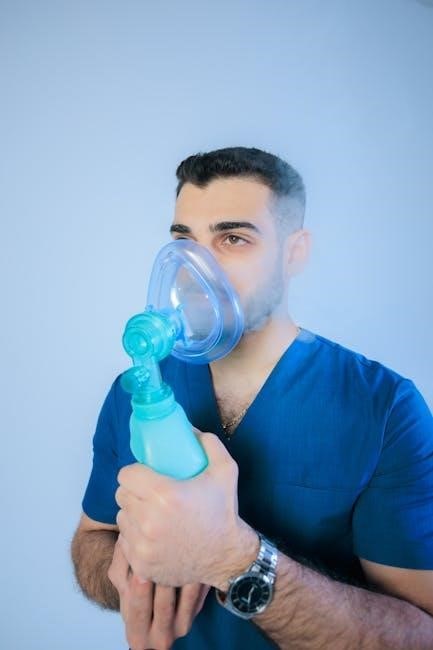
Specifically, the guidelines recommend utilizing adjuncts like oropharyngeal airways (OPAs) and nasopharyngeal airways (NPAs) strategically to maintain airway patency without prolonged pauses in compressions․ Bag-valve-mask (BVM) ventilation techniques are also revisited, with a focus on achieving visible chest rise and avoiding excessive ventilation․

The manual also addresses the importance of recognizing and managing potential airway obstructions, including foreign body removal techniques․ Remember, maximizing efficiency is key․ Consider utilizing online resources for training and potentially cashing in unwanted gift cards to offset course costs, as suggested by recent shopping tips!
Understanding the Role of AEDs
Automated External Defibrillators (AEDs) are pivotal in BLS, and the 2020 manual reinforces their early application in cases of sudden cardiac arrest with a shockable rhythm․ The guidelines emphasize minimizing the time to defibrillation, highlighting the importance of rapid AED retrieval and analysis․
The manual details proper pad placement – anterolateral for most adults, and potentially pediatric pads for smaller individuals – and clarifies the process of following the AED’s voice prompts․ It stresses continuing CPR while the AED analyzes the rhythm and immediately resuming compressions if no shock is advised․
Furthermore, the updated protocols address scenarios involving implanted cardiac devices, emphasizing caution around pad placement․ Remember to check for contraindications․ Smart shopping strategies, like utilizing BrickSeek for price comparisons or Best Buy discounts, can help acquire an AED for your workplace or community, ensuring readiness․ Don’t forget to explore online training resources!
BLS Algorithm Updates: Adult, Child, and Infant

The 2020 AHA guidelines, detailed within the BLS provider manual, present refined algorithms for adult, child, and infant resuscitation․ While the core sequence of C-A-B (Compressions, Airway, Breathing) remains, subtle yet significant updates exist․ Emphasis is placed on early and effective chest compressions, aiming for a rate of 100-120 per minute and a depth of at least 2 inches for adults․
For children and infants, compression depth is adjusted based on size, and the use of one or two hands is specified․ The manual clarifies ventilation techniques, advocating for visible chest rise while minimizing excessive ventilation․ Recognizing the value of a good deal, acquiring the manual allows for thorough understanding of these nuanced changes․
Furthermore, the algorithms highlight the importance of team dynamics and clear communication during resuscitation efforts․ Remember to utilize resources like online training and consider cashing in unwanted gift cards to offset certification costs․ Staying current with these updates is vital for optimal patient outcomes․
Common Mistakes to Avoid During BLS Certification
Successfully navigating your BLS certification requires awareness of common pitfalls․ Many candidates struggle with maintaining consistent compression rate and depth, often falling below the recommended 100-120 compressions per minute․ Another frequent error is inadequate chest recoil, hindering effective blood flow․ Proper ventilation technique, avoiding excessive force, is also crucial․
Furthermore, neglecting team communication and failing to clearly assign roles can disrupt the resuscitation process․ Candidates sometimes demonstrate hesitation in utilizing an AED or misinterpreting rhythm analysis․ Remember, resources like the 2020 AHA BLS Provider Manual, available for download, can clarify these concepts․
To prepare effectively, practice regularly, utilize online resources, and consider leveraging deals at retailers like Staples to acquire necessary materials․ Don’t forget to explore options for cashing in gift cards to reduce certification expenses․ Avoiding these common mistakes will significantly increase your chances of success․
Preparing for Your BLS Certification Course
Effective preparation is key to a successful BLS certification experience․ Begin by familiarizing yourself with the core concepts outlined in the 2020 AHA BLS Provider Manual; a PDF version can be sourced from legitimate online platforms․ Review the algorithms for adult, child, and infant resuscitation, paying close attention to the sequence of steps․
Prioritize understanding CPR techniques, including proper hand placement, compression depth, and ventilation methods․ Explore online training resources to supplement your learning and reinforce key skills․ Consider utilizing available deals, such as those at Staples, to acquire necessary course materials or gift cards to offset costs․
Don’t underestimate the importance of practicing with a manikin to build muscle memory and confidence․ Remember to check BrickSeek for price comparisons and availability of practice equipment․ A well-prepared candidate is more likely to succeed and provide effective care in emergency situations․
Cost Considerations for BLS Certification and Materials
Budgeting for BLS certification involves several potential expenses․ The course fee itself represents a significant portion, varying by provider and location․ While a free PDF of the 2020 AHA BLS Provider Manual is desirable, ensure any download source is legitimate to avoid security risks․
Consider supplementing the manual with online resources, potentially reducing the need for a physical textbook․ Utilizing gift cards acquired through cashing in unwanted presents, as suggested, can offset costs․ Look for deals at retailers like Staples, offering discounts on gift cards, potentially saving on course fees or materials․
Factor in the cost of renewal requirements, as BLS certification typically requires periodic updates․ Exploring alternative online training options might present a more affordable pathway․ Remember to compare prices and availability, utilizing tools like BrickSeek, to maximize your savings and ensure a cost-effective certification process․
Alternatives to Purchasing the Physical Manual
Seeking alternatives to the physical 2020 AHA BLS Provider Manual is understandable, given cost considerations․ A free PDF download, while convenient, demands caution regarding source legitimacy – prioritize security․ Leveraging online BLS training resources offers a comprehensive learning experience without the textbook expense․
Explore platforms providing digital materials and interactive modules․ Utilizing previously acquired gift cards, as suggested for general savings, could indirectly fund access to these online resources․ Comparing prices and features across different providers is crucial for maximizing value․
Consider that some courses may include digital access to the manual as part of the enrollment fee․ Websites like Slickdeals can help identify discounts and promotions on training programs․ Remember to verify the accreditation and quality of any alternative resource before committing, ensuring it aligns with AHA guidelines and prepares you adequately for certification․
Online BLS Training Resources
Numerous online platforms offer BLS training, providing a flexible alternative to traditional classroom courses․ These resources often incorporate interactive modules, videos, and quizzes to enhance learning, potentially reducing the reliance on a physical manual․ Some platforms may even include digital access to course materials, mirroring the content found in the 2020 AHA BLS Provider Manual․
Websites like those highlighted on Slickdeals frequently feature discounts and promotions on online training programs․ Utilizing these savings opportunities can make certification more affordable․ BrickSeek-style price comparison tools can assist in identifying the most cost-effective options․
However, diligent research is vital․ Ensure the chosen provider is AHA-approved or aligns with recognized healthcare standards․ Consider the course format, instructor qualifications, and availability of support․ Remember, maximizing savings, like utilizing gift cards, shouldn’t compromise the quality of your BLS training and certification preparation․
Troubleshooting PDF Download Issues
Encountering difficulties downloading the 2020 AHA BLS Provider Manual PDF is common․ Initial steps involve verifying your internet connection and ensuring sufficient storage space on your device․ Browser compatibility can also be a factor; try using alternative browsers like Chrome, Firefox, or Edge․
If the download repeatedly fails, the file may be corrupted or the server experiencing high traffic․ Clearing your browser’s cache and cookies can resolve temporary glitches․ Disabling browser extensions, particularly download managers or ad blockers, is also recommended․ Remember, seeking deals, similar to those found on Slickdeals, doesn’t excuse downloading from unofficial sources․
For persistent issues, consider downloading the PDF in segments or utilizing a download manager․ If problems continue, explore alternative legitimate sources, ensuring authenticity as detailed elsewhere․ Prioritize a secure download to avoid malware, mirroring the caution advised when cashing in gift cards or purchasing unclaimed Amazon packages․
Frequently Asked Questions About the BLS Manual
Is the 2020 AHA BLS Provider Manual available for free download? While official access requires purchase, legitimate previews and sample chapters exist․ Can I use an older version of the manual for certification? No, courses require the current guidelines, mirroring the need for up-to-date deals like those at Staples․
What if I purchase a used manual? Ensure it includes all current updates and hasn’t been significantly altered․ Is a physical copy necessary? Not always, but it aids comprehension․ Where can I find answers to specific questions about BLS procedures? The manual itself, coupled with official AHA resources, provides comprehensive guidance․
Are there differences between the provider and instructor manuals? Yes, the instructor manual is for certified educators․ How often are the BLS guidelines updated? Typically every five years, necessitating new materials, much like tracking Costco’s must-have items․ Remember, verifying authenticity is crucial, similar to checking BrickSeek for price comparisons․
Staying Current with BLS Guidelines Beyond 2020

Although the 2020 AHA BLS guidelines remain foundational, continuous learning is paramount․ The healthcare landscape evolves, demanding updated skills – much like finding the best deals requires constant vigilance, as seen on Slickdeals․ Regularly check the AHA website for interim updates and clarifications, mirroring how one monitors Lowes for price matching opportunities․
Consider subscribing to AHA newsletters and professional organization communications․ Participate in continuing education courses and refresher trainings․ These ensure proficiency with any revisions to CPR techniques or emergency protocols․ Remember, unclaimed Amazon packages are eventually sold, highlighting the need to stay proactive․
Utilize online resources and webinars offered by accredited institutions․ Staying informed isn’t a one-time event; it’s an ongoing commitment, similar to maximizing savings at Best Buy․ Don’t rely solely on downloaded PDFs; engage with dynamic learning platforms․ Prioritize official sources to avoid misinformation, just as one verifies gift card legitimacy before cashing in․