Manual Safety Pistols: A Comprehensive Overview (as of 03/16/2026)

Manual safeties offer a third layer of protection, demanding mindful engagement during stressful self-defense scenarios. Proper training builds crucial muscle memory for swift disengagement.

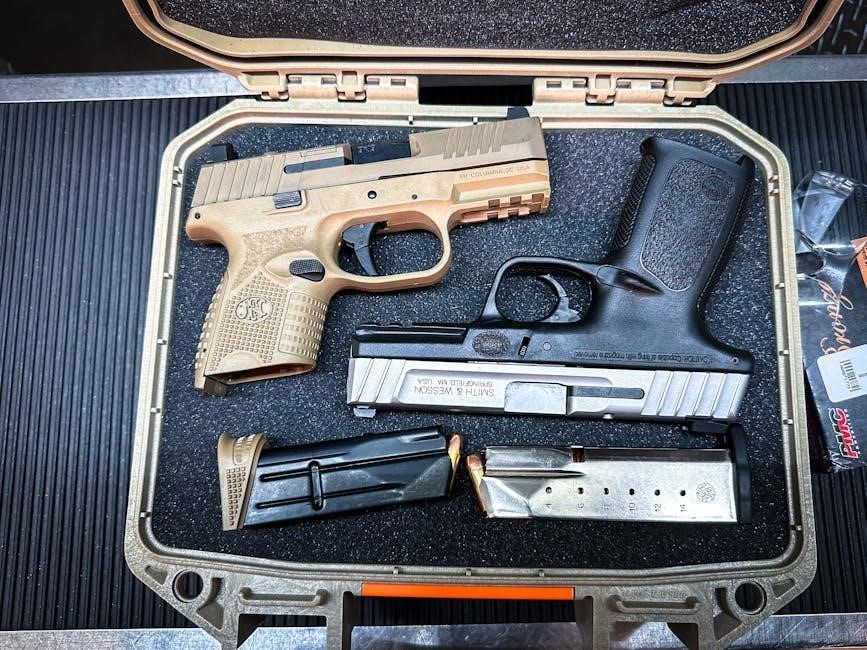
Manual safety pistols represent a traditional approach to firearm security, incorporating a mechanical control that the shooter must intentionally disengage before the pistol can fire. As of March 16, 2026, these pistols remain a significant choice for many gun owners, particularly those with military or law enforcement backgrounds. However, they introduce an additional step in the shooting process, requiring dedicated training to ensure reliable operation under stress.
While modern pistols often rely on internal safeties and trigger mechanisms designed to prevent accidental discharge, the manual safety provides a visible and tactile confirmation of the firearm’s status. It’s crucial to understand that a manual safety isn’t a substitute for responsible gun handling, secure storage, or proper trigger discipline; it’s an added layer of protection, not a foolproof solution.
What is a Manual Safety?
A manual safety is a mechanical device on a firearm that blocks the trigger, firing pin, or both, preventing the pistol from discharging. It requires a deliberate, conscious action by the shooter – typically a thumb or finger movement – to disengage and allow the firearm to function. This intentional action serves as a crucial third layer of safety, beyond trigger and holster security.
Unlike internal safeties which operate automatically, a manual safety is entirely user-controlled. It’s designed to provide an extra measure of security when the firearm isn’t actively being used for target shooting or self-defense. However, relying solely on a manual safety is a mistake; consistent training is vital to ensure quick and reliable disengagement when needed.
The Role of a Manual Safety in Negligent Discharge Prevention
A manual safety acts as a critical barrier against negligent discharges, providing an additional safeguard beyond proper trigger discipline and secure holstering. It’s a deliberate mechanical block, requiring conscious effort to deactivate, minimizing the risk of accidental firing during handling or carry. However, it’s not a foolproof solution; it demands consistent training and mindful operation.
The safety doesn’t replace safe gun handling practices. It’s a supplementary measure, intended to prevent discharges resulting from unintentional contact with the trigger. Recognizing that a manual safety adds another step in a stressful situation is crucial. Forgetting to disengage it renders the firearm inoperable, highlighting the importance of ingrained muscle memory through dedicated practice.
Manual vs. Internal Safeties: Key Differences
Manual safeties are externally operated levers, consciously engaged and disengaged by the shooter, offering a visible and tactile confirmation of the firearm’s status. Conversely, internal safeties – like those found in Glock pistols – are mechanically linked to the trigger, automatically disengaging only when the trigger is intentionally pulled.
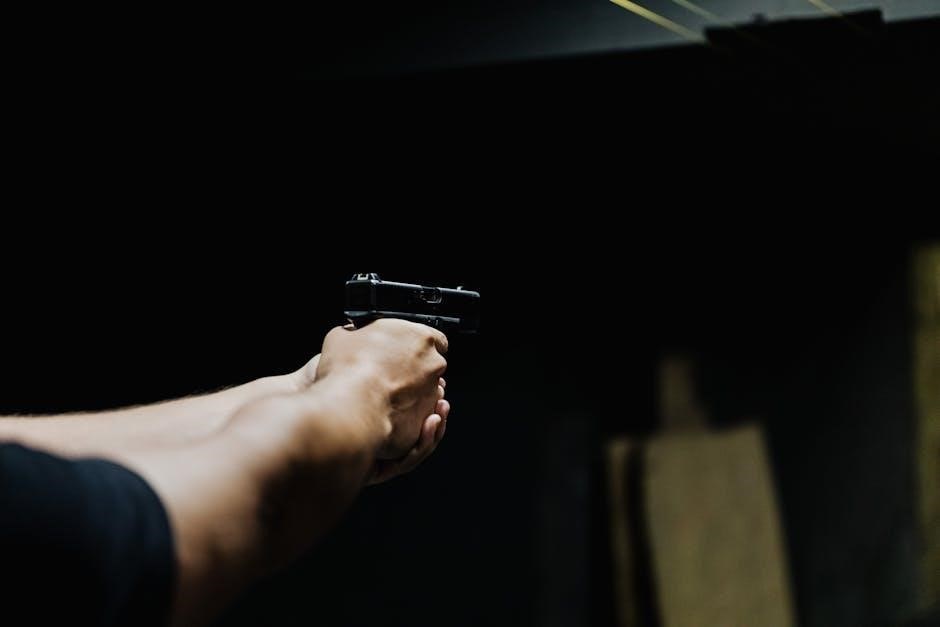
The primary distinction lies in user control. Manual safeties place the responsibility directly on the shooter, demanding deliberate action. Internal safeties rely on the trigger pull as the disengagement mechanism, aiming to prevent discharge unless a full trigger press is executed; While internal safeties are considered reliable, some shooters prefer the positive control offered by a manual safety, particularly in high-stress scenarios or when carrying concealed.
Types of Manual Safeties
Manual safeties manifest in several configurations, each impacting operation and accessibility. Frame-mounted safeties are typically located on the pistol’s grip, often requiring manipulation with the support hand. Slide-mounted safeties reside on the slide, generally controlled by the thumb. Grip safeties, less common today, require pressure on the grip to disengage.
A significant variation is the ambidextrous safety, offering levers on both sides of the firearm, catering to left and right-handed shooters. This design enhances accessibility and allows for intuitive operation regardless of shooting hand. The choice between these types often depends on individual preference, hand size, and the specific pistol’s design, influencing both comfort and operational speed.
Frame-Mounted Safeties
Frame-mounted safeties are strategically positioned on the pistol’s grip, typically requiring manipulation with the shooter’s support hand. This placement allows for a natural and relatively quick disengagement during a draw, assuming proper training and muscle memory have been established. However, accessibility can be a concern for individuals with smaller hands or limited hand strength.

These safeties often operate with a simple up/down or forward/backward motion. Consistent practice is vital to ensure smooth and reliable operation under stress. While offering a distinct tactile feel, frame-mounted safeties may slightly alter the grip profile, potentially impacting comfort for some shooters. Their effectiveness relies heavily on dedicated training and familiarization.
Slide-Mounted Safeties
Slide-mounted safeties, commonly found on pistols like the M9, are located on the left side of the slide, typically engaged and disengaged with the shooting hand’s thumb. This design allows for a quick and intuitive action, particularly for those accustomed to this style of operation. However, reaching the safety can be challenging for shooters with shorter thumbs or during rapid firing sequences.
These safeties often feature a distinct “click” when engaged or disengaged, providing auditory feedback to the shooter; Consistent practice is crucial to develop muscle memory and ensure reliable operation under pressure. While offering a readily accessible control, slide-mounted safeties may require a slight shift in grip to effectively manipulate.
Grip Safeties
Grip safeties, less common in modern pistol designs, require a firm and proper grip to disengage, preventing operation unless the shooter maintains control. Historically prevalent, they function by being depressed when the pistol is held correctly, releasing the trigger mechanism. However, they can be problematic for individuals with smaller hands or limited grip strength, potentially hindering safe and reliable operation.
A significant drawback is the potential for accidental disengagement if the grip is compromised during recoil or a struggle. While intended as a safety feature, they can create a false sense of security if not fully understood and consistently engaged by a proper grip. Modern designs often favor other safety mechanisms due to these limitations.
Ambidextrous Safeties
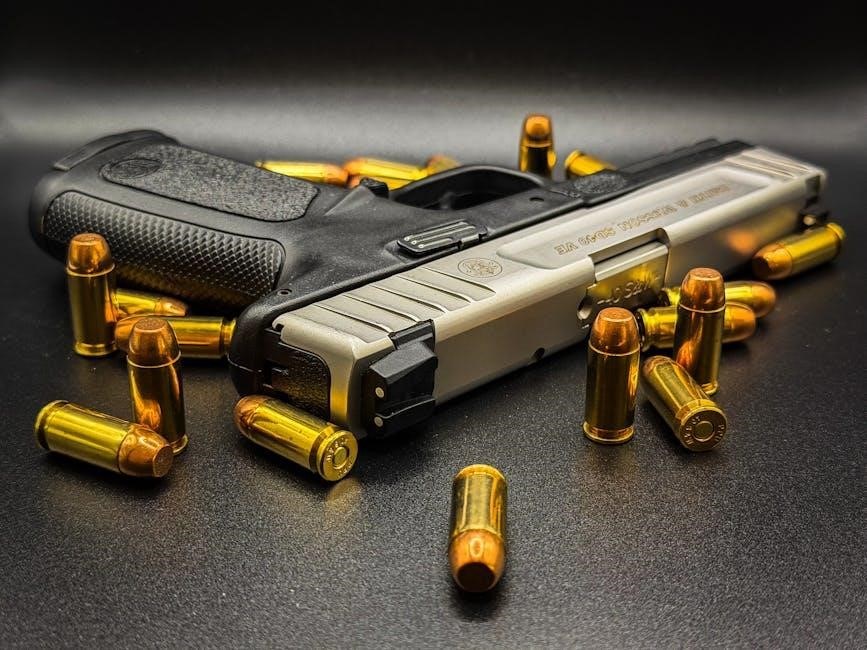
Ambidextrous safeties cater to both right- and left-handed shooters, offering operational flexibility crucial for diverse individuals. These safeties feature levers on both sides of the firearm, allowing for intuitive disengagement regardless of dominant hand. This design is particularly valuable for those who train to transition between strong and support hand shooting techniques, or for individuals who may be injured.
The ability to manipulate the safety from either side, even through clothing, as noted with the P365 Nitron example, enhances accessibility and speed. However, ambidextrous safeties can sometimes be smaller and require more precise manipulation than single-sided controls, demanding dedicated practice to master.
Training with Manual Safety Pistols
Effective training is paramount when carrying a pistol equipped with a manual safety. The core principle revolves around building consistent muscle memory, ensuring the disengagement becomes an automatic response during critical situations. This necessitates dedicated practice, repeatedly drawing the pistol and immediately deactivating the safety during target practice.
Dry fire drills are invaluable for honing this skill without live ammunition, allowing for focused repetition. Live fire drills should then reinforce this learned behavior under realistic conditions. Ignoring this crucial step increases the risk of fumbling the safety in a self-defense scenario, potentially costing valuable time or hindering a proper response.
Developing Muscle Memory for Safety Disengagement
Cultivating reliable muscle memory for safety disengagement is the cornerstone of proficient manual safety pistol operation. This isn’t about conscious thought; it’s about instinctive action; Consistent repetition is key – every draw from the holster must always include immediately sweeping the safety off as part of the presentation.
Visualize the motion, feel the click, and repeat endlessly. Dry fire practice excels here, allowing focused, deliberate repetitions without ammunition costs. The goal is to reach a point where attempting to draw without disengaging the safety feels unnatural and incorrect. This ingrained habit minimizes hesitation and maximizes responsiveness when seconds count.
Dry Fire Practice with Safety Manipulation
Dedicated dry fire sessions focusing solely on safety manipulation are invaluable. Begin by repeatedly drawing your pistol from a holster (if applicable), focusing exclusively on the smooth, rapid disengagement of the safety. Time yourself, striving for consistent speed and accuracy. Introduce slight variations – strong hand only, weak hand only – to build adaptability.
Visualize potential self-defense scenarios and practice reacting to them, always prioritizing immediate safety disengagement. Incorporate verbal commands (“Draw!”) to simulate stress. Remember, the objective isn’t speed at the expense of safety; it’s ingrained, automatic proficiency. This deliberate practice builds the muscle memory needed to react instinctively under pressure.
Live Fire Drills Focusing on Safety Usage
Transitioning to live fire, continue prioritizing safety disengagement as a core component of every drill. Start with slow, deliberate repetitions, ensuring the safety is fully off before acquiring your target. Gradually increase speed as proficiency grows, but never sacrifice proper technique. Incorporate drills that mimic real-world scenarios – drawing from concealment, transitioning between targets – always emphasizing the safety’s role.
Have a training partner observe and provide feedback on your safety manipulation. Focus on identifying and correcting any hesitation or errors. Remember, live fire reinforces the muscle memory developed during dry fire, solidifying the safety as an instinctive part of your shooting process. Consistent practice is key to reliable performance.
The Debate: Manual Safety vs. Other Safety Mechanisms
The discussion often centers on manual safeties versus inherent mechanisms like trigger safeties. While trigger safeties aim to prevent accidental discharge, some shooters, particularly those with military or law enforcement backgrounds, express a lack of complete trust in them. A manual safety provides a positive, conscious action confirming the firearm’s status;
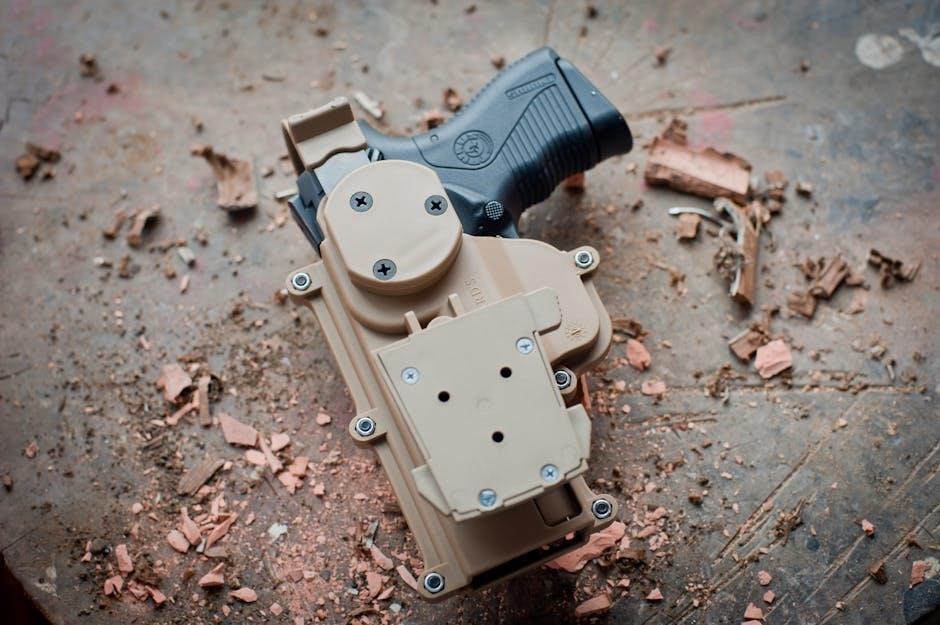
Holster safety is also paramount; a quality holster prevents unintentional activation. Ultimately, the “best” system is subjective. Many prioritize a combination – proper grip, trigger discipline, a secure holster, and, for some, the added layer of a manual safety. It’s about understanding the strengths and limitations of each and choosing what best suits individual needs and training.
Trigger Safeties: Reliability and Trust
Trigger safeties are integral to many modern pistol designs, intended to block the trigger’s movement unless the trigger guard is fully encompassed by the shooter’s hand. However, the reliance solely on this mechanism sparks debate. Some individuals, like the author, admit to not entirely trusting trigger safeties as a primary means of preventing negligent discharge.
Concerns arise regarding potential bypass under specific circumstances, though statistically rare. This lack of absolute confidence drives some towards pistols with manual safeties, offering a tangible, deliberate action to confirm the firearm’s readiness. It’s a matter of personal preference and perceived reliability, influencing carry choices and training regimens.
Holster Safety as a Primary Prevention Method
A properly designed and utilized holster represents a crucial safety feature, often surpassing the need for a manual safety in everyday carry. The concept of “Glock leg” – an accidental discharge while the firearm is holstered – is mitigated by quality retention holsters that fully cover the trigger guard.
This physical barrier prevents unintentional activation, even if the pistol is bumped or jostled. The author emphasizes that a secure holster, combined with proper firearm handling techniques, effectively eliminates a significant risk factor. Prioritizing holster quality and consistent safe practices builds a robust safety system, reducing reliance on additional mechanical safeties.
The Importance of Proper Grip and Trigger Discipline
Fundamental firearm safety rests upon a firm, high grip and unwavering trigger discipline. These principles are paramount, regardless of whether a pistol features a manual safety. Maintaining a proper grip ensures control and minimizes the risk of accidental movement, while consistently keeping a finger off the trigger until the decision to shoot is made is non-negotiable.

Even with a manual safety engaged, complacency can lead to negligent discharges. The author highlights that responsible handling – a secure holster and disciplined finger placement – are the primary safeguards. These core skills are essential for all firearm owners, forming the foundation of safe gun ownership and responsible carry practices.
Manual Safeties and Child Safety
A critical misconception exists regarding manual safeties and childproofing. They are not a substitute for secure firearm storage and responsible gun ownership. The author emphatically states a manual safety should never be relied upon to prevent a child from accessing or operating a firearm.
Safeties are designed for quick and easy disengagement, meaning a child can learn to manipulate them relatively early. Secure storage – locked safes, trigger locks – remains the primary and most effective method of preventing unauthorized access. While a manual safety might offer a slight additional hurdle, it shouldn’t instill a false sense of security, especially with a newborn in the home.
Limitations of Manual Safeties as Childproofing Devices
The inherent design of manual safeties directly undermines their effectiveness as a childproofing measure. These mechanisms prioritize swift operation for a trained adult, meaning they are typically simple to manipulate – a fact easily discovered by a curious child.
Expecting a manual safety to reliably deter a determined child is a dangerous oversight. Children develop dexterity and problem-solving skills rapidly, quickly learning to toggle switches and levers. Relying on a safety alone creates a false sense of security, potentially leading to tragic consequences. Secure storage, utilizing locked containers and trigger locks, remains the only dependable method for preventing accidental access and ensuring child safety.
Secure Storage as the Primary Child Safety Measure
When considering firearm safety, particularly around children, secure storage transcends all other preventative measures. A manual safety should never be considered a substitute for responsible storage practices. Locked gun safes, lock boxes, and trigger locks are essential components of a comprehensive safety plan.
These methods physically prevent unauthorized access, eliminating the risk of accidental discharge or misuse. Consistent adherence to secure storage protocols, coupled with diligent education about firearm safety, is paramount. Responsible gun ownership demands prioritizing the well-being of children above convenience, ensuring firearms remain inaccessible and handled only by trained individuals.
Personal Preference and Carry Considerations
Ultimately, the decision to carry a pistol with a manual safety hinges on individual preference, rigorous training, and personal comfort levels. Some shooters favor the added layer of security, while others prioritize simplicity and faster access. Ambidextrous safeties offer versatility, allowing manipulation from either side, even through clothing.
Factors like duty requirements – as seen with Navy M9s carried with safeties on – or lifestyle needs influence this choice. Disliking trigger safeties is a valid concern, highlighting the importance of trust in the mechanism. Consistent practice disengaging the safety during draws is vital to build muscle memory and ensure safe, effective operation.
Choosing a Pistol with a Manual Safety Based on Comfort
Selecting a pistol with a manual safety should prioritize a comfortable and natural grip, ensuring easy access and manipulation of the safety lever. The ability to confidently and quickly disengage the safety without altering your shooting stance is paramount. Consider ambidextrous options if you’re unsure of your dominant hand or prefer versatility.
Evaluate how the safety feels during dry-fire practice and live-fire drills. Does it interfere with your grip? Is it easily reachable? A P365 Nitron with an ambi safety exemplifies a design allowing operation through clothing. Remember, a comfortable safety promotes consistent, safe handling, crucial for both carry and self-defense scenarios.
Military and Law Enforcement Applications of Manual Safeties
Manual safeties remain prevalent in military and law enforcement contexts due to stringent safety protocols and operational requirements. The U.S. Navy, for instance, issues M9 pistols carried with the safety engaged and a round chambered, emphasizing controlled readiness. This practice reflects a need for an additional layer of security during dynamic operations;
While debates exist regarding the speed of disengagement, the added security of a manual safety aligns with the disciplined environment of these professions. It provides a tangible confirmation of the weapon’s status, reducing the risk of accidental discharge in high-stress situations. Training regimens heavily emphasize safety manipulation as a core skill.
Real-World Scenarios: When a Manual Safety Can Be Beneficial
In dynamic, unpredictable encounters, a manual safety offers a crucial layer of control. Scenarios involving close-quarters confrontations, or navigating complex environments, benefit from the deliberate action of engaging the safety during non-threat phases. This is particularly relevant for law enforcement during searches or when interacting with the public.
The ability to physically confirm the weapon’s status – safety on or off – can be reassuring in high-stress situations. For individuals accustomed to a manual safety, it provides a tactile and mental check, reducing anxiety. Ambidextrous safeties further enhance usability, allowing manipulation regardless of grip or body position, offering adaptability in fluid movements.
Potential Drawbacks of Manual Safety Pistols
Introducing a manual safety adds complexity to an already stressful self-defense situation, demanding an additional step under duress. The potential for human error – forgetting to disengage the safety – is a significant concern, potentially leading to a critical failure when time is of the essence. This risk underscores the absolute necessity of rigorous, repetitive training.
Furthermore, manipulating the safety inherently impacts draw speed, adding a fraction of a second to the time it takes to bring the pistol into action. While seemingly minor, this delay can be crucial in a close-quarters encounter. The added step requires deliberate thought, potentially hindering instinctive reactions.
Increased Complexity in Stressful Situations
In a high-stress encounter, cognitive function narrows, and fine motor skills can degrade. Adding the requirement to consciously disengage a manual safety introduces another task into this already compromised state. This extra step demands mental bandwidth that might be better allocated to threat assessment and tactical decision-making. The pressure can easily lead to fumbling or hesitation.
The need to remember and execute this action reliably, amidst adrenaline and fear, represents a significant challenge. While training aims to build muscle memory, real-world scenarios rarely perfectly replicate practice conditions. This inherent complexity increases the risk of a delayed or failed response, potentially jeopardizing personal safety.
Potential for Human Error: Forgetting to Disengage the Safety
Despite diligent training, the possibility of forgetting to disengage a manual safety during a critical self-defense situation remains a genuine concern. The stress of a real encounter can overwhelm even well-practiced individuals, leading to a lapse in procedural memory. This oversight renders the pistol inoperable, effectively negating its defensive potential at the moment it’s most needed.
Numerous accounts highlight instances where individuals, despite extensive training, failed to remove the safety under pressure; This underscores the fallibility of human performance in extreme circumstances. Relying solely on a manual safety, therefore, introduces a critical point of failure dependent on flawless execution under duress.
Impact on Draw Speed
The inclusion of a manual safety inherently adds an extra step to the draw sequence, inevitably impacting speed. While proficient training can mitigate this delay, it rarely eliminates it entirely. The deliberate action of disengaging the safety consumes valuable milliseconds, potentially critical in a close-quarters confrontation where fractions of a second can determine the outcome.

Compared to pistols without manual safeties, the draw process is demonstrably slower. This difference, though seemingly small, can be significant. Individuals prioritizing rapid response times may find the added complexity of a manual safety undesirable. Mastering a swift and reliable draw with a safety requires dedicated practice and consistent reinforcement to minimize the time lost.